-
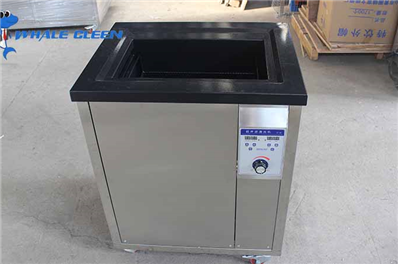 Selection of cleaning agent for industrial ultrasonic parts cleaner
With the improvement of industrial cleaning efficiency, the application of large industrial ultrasonic parts cleaner is becoming more and more widely used, and cleaning agents are an important factor affecting the ultrasonic cleaning effect. There are man
-
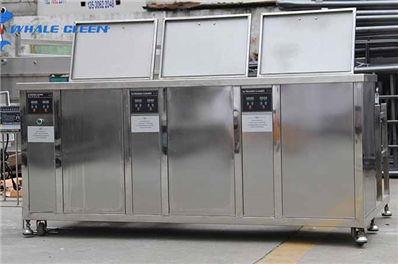 Can ultrasonic parts cleaner clean up oil pollution on the surface of copper?
During the production and processing of copper parts, various types of oil are attached to the surface. And cleaning is an indispensable process. If you want to clean the surface of the copper parts, you must maintain their original luster. And you must h
-
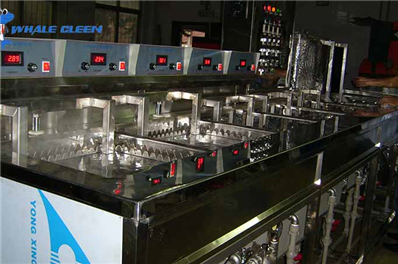 Why does ultrasonic parts cleaner make a big noise?
Ultrasonic cleaning technology is one of the most effective ways to clean the surface of the workpiece. It can clean the inner and outer surfaces of the workpiece that can clean the workpiece with high cleanliness and efficient cleaning workpieces. The cu
-
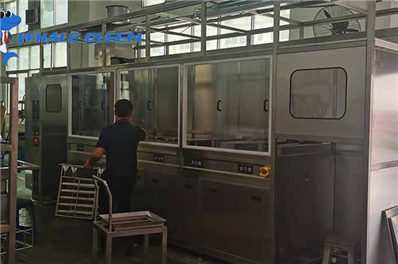 Upgraded version of blue whale Ultrasonic Parts Cleaners
First, the shape of the ultrasonic cleaning machine upgrade PC material: transparent, not ordinary plastic, non-toxic, high-temperature resistance, impact resistance. This will give us an insight into what's going on inside. Stainless steel: hi
-
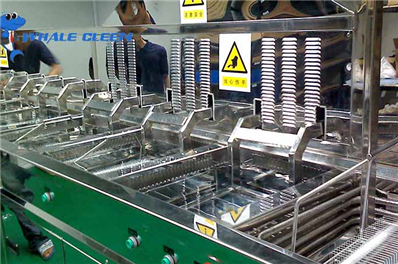 Ultrasonic parts cleaner for motorcycle piston ring
Motorcycles are an important means of transportation for us to travel conveniently. However, the motorcycle will inevitably appear some endless problems. A colleague of mine recently bought a new motorcycle to make it easier to go to work and off w
-
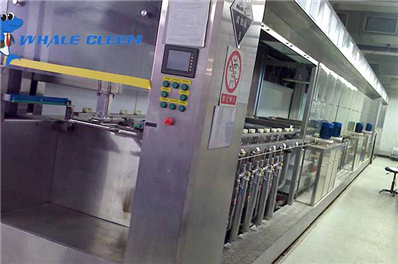 The advantage of industrial ultrasonic parts cleaner
Cleaning involved in the industrial production labor process belongs to industrial cleaning. It applies to hardware electronic workshops, miners, machinery companies, automotive manufacturing, medical instruments, optical products, and more. The ad
-
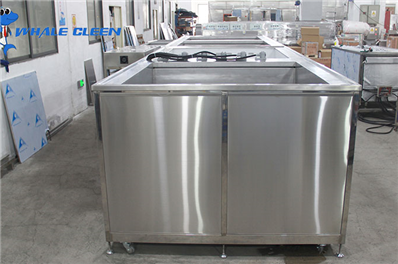 Industrial Ultrasonic Cleaning Machine: The Complete Solution for Stubborn Oil and Carbon Deposit Removal on Gears and Bearings
In the machinery manufacturing and heavy equipment maintenance sectors, few maintenance tasks are as persistently frustrating as cleaning gears and bearings. These precision components—the “skeleton and joints” of mechanical transmission systems—are routi
-
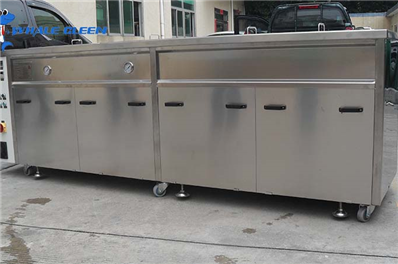 Ultrasonic Cleaning Machine for Blind Holes: How Whale Cleen Meets Strict Acceptance Standards
In precision manufacturing, the most difficult contamination is often the contamination you cannot see. Fine blind holes, narrow slots, threaded ports, and tight crevices can trap polishing dust, lapping residue, metal fines, and oil film. A part may look
-
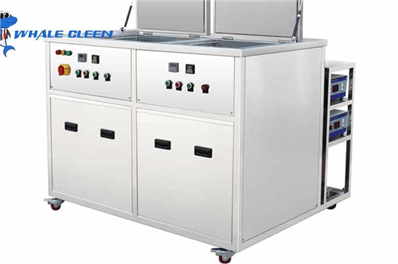 Stuck with Grinding Dust Embedded in Batch Workpiece Crevices? Manual Cleaning Is Draining Your Labor Budget and Driving Production Costs Through the Roof
Walk into any metalworking shop, stamping plant, or machining facility, and you will see the same scene repeated shift after shift: workers hunched over parts bins, scrubbing with brushes, picking at crevices with picks, blowing compressed air into blind
-
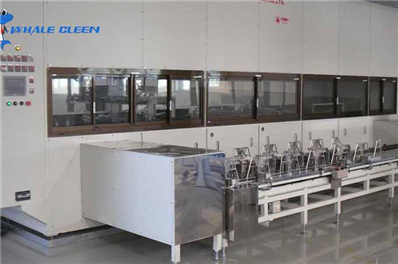 Same Ultrasonic Cleaning, Why Are Some Aerospace Fastener Yield Rates So Much Higher?
In aerospace manufacturing, few quality metrics are as unforgiving as fastener cleanliness. A single micro-fastener — a titanium alloy bolt, a high-strength steel screw, a threaded insert — can carry cutting fluids, lapping compounds, or microscopic metal
-
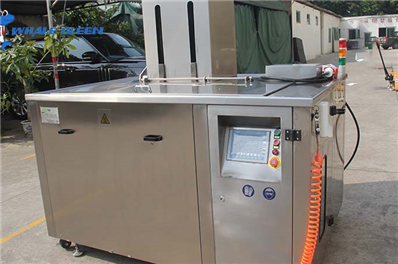 How Ultrasonic Cleaning Reaches the Thread Roots of Micro-Fasteners for Deep Chip and Oil Removal
In precision manufacturing, few challenges are as persistent—or as costly—as cleaning micro-fasteners. Screws, bolts, and threaded inserts with diameters under M2 feature intricate geometries: narrow thread valleys, blind holes, and sharp internal corners
-
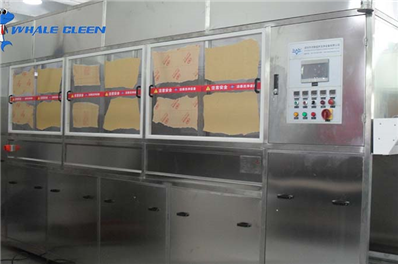 Ultrasonic Cleaning Machine: Solving the Batch Cleanliness Inconsistency Crisis in Aerospace Fastener Manufacturing
In aerospace manufacturing, a single contaminated fastener can compromise an entire assembly. Threaded surfaces trap machining oils, metal chips, and microscopic particulates that, if not completely removed, directly affect torque values, joint integrity,